Historical figure
Anne Boleyn at the Tower of London
Anne Boleyn, the second wife of Henry VIII, spent her final days inside the Tower of London. Her imprisonment and execution on Tower Green in 1536 remain among the most haunting stories in English history.
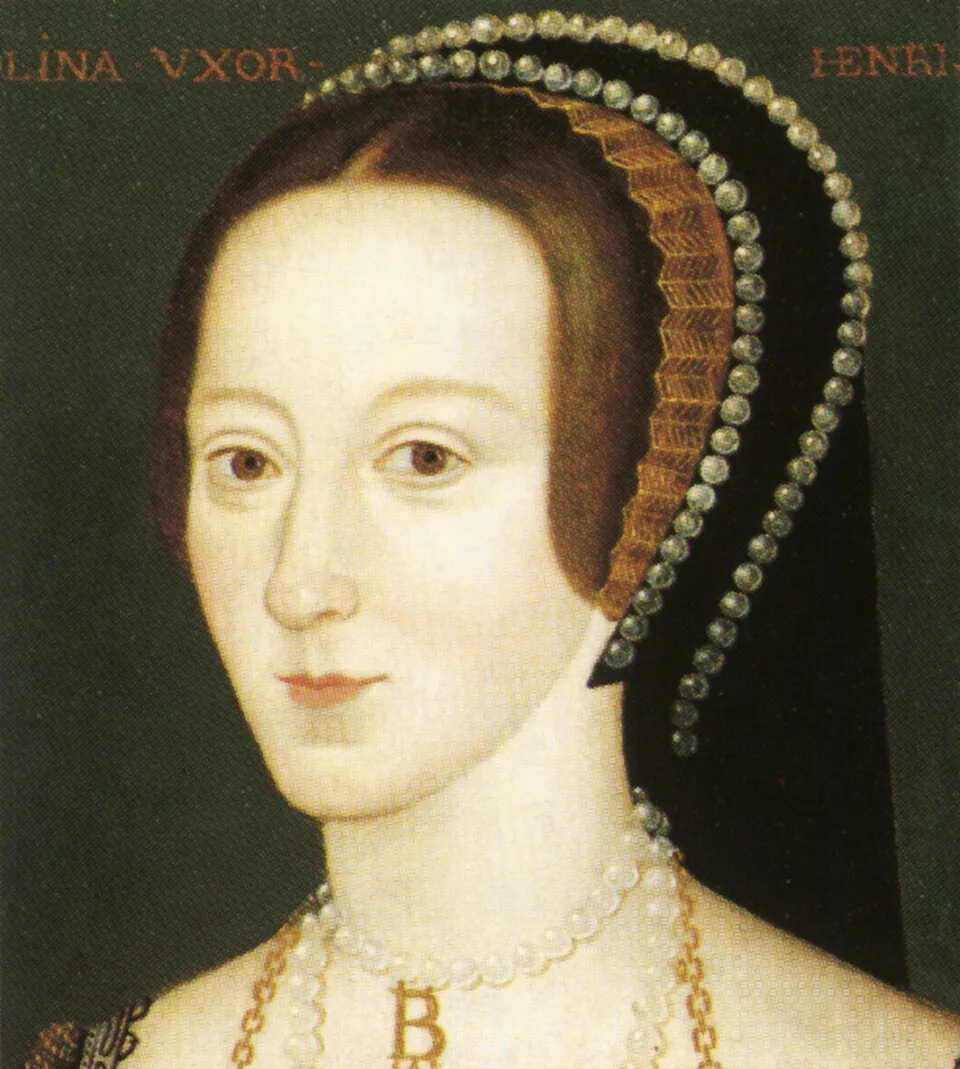
Why was Anne Boleyn imprisoned at the Tower?
On 2 May 1536, Anne Boleyn was brought to the Tower of London by barge through Traitors’ Gate. She had been accused of adultery, incest and treason. Whether the charges were true or fabricated by court rivals, they gave Henry VIII the legal pretext he needed to end their marriage and clear the way for a new queen.
Anne was held in the royal apartments of the Tower — the same lodgings she had stayed in before her coronation just three years earlier. The contrast between her triumph and her fall made the imprisonment especially cruel.
Anne Boleyn’s final days
While in the Tower, Anne was attended by a small group of female servants and questioned by her own uncle, the Duke of Norfolk, who presided over her trial. Her own father and brother were also caught up in the scandal; her brother George Boleyn was executed on Tower Hill two days before her.
Despite the accusations, Anne maintained her innocence of the capital charges. She showed remarkable dignity in her last letters and conversations, and prepared herself for death with calm and religious devotion.
Execution on Tower Green
Anne Boleyn was executed on 19 May 1536 on Tower Green, a private space inside the Tower walls reserved for high-ranking prisoners. Executions here were considered more dignified than those on public Tower Hill, because the condemned were spared the crowds.
Henry VIII granted her the mercy of a French swordsman, reputedly a skilled executioner from Calais, rather than the usual axe. She was beheaded with a single stroke. Her body was laid to rest in the Chapel Royal of St Peter ad Vincula, where visitors can still see her memorial today.
What to look for on your visit
- Tower Green: The small green space where Anne Boleyn and other nobles were executed.
- St Peter ad Vincula: The chapel where Anne Boleyn is buried, alongside other famous prisoners including Catherine Howard and Lady Jane Grey.
- The Queen’s House: The Tudor house where Anne is believed to have stayed before her coronation and possibly during her final imprisonment.
Plan your visit
Walking in Anne Boleyn’s footsteps brings the Tudor history of the Tower to life. Book your Tower of London tickets in advance to explore Tower Green, the chapel and the rooms where she spent her final days.